
FGH Agritech is a Private Limited Company Registered under the Tanzanian companies Act of 2002 with Certificate of incorporation No: 147872453 dated December 22, 2020 to carry out agricultural related business like Aquaculture, Crop farming, Livestock Farming, Trading of agriculture products, Agro processing and other agriculture related business.
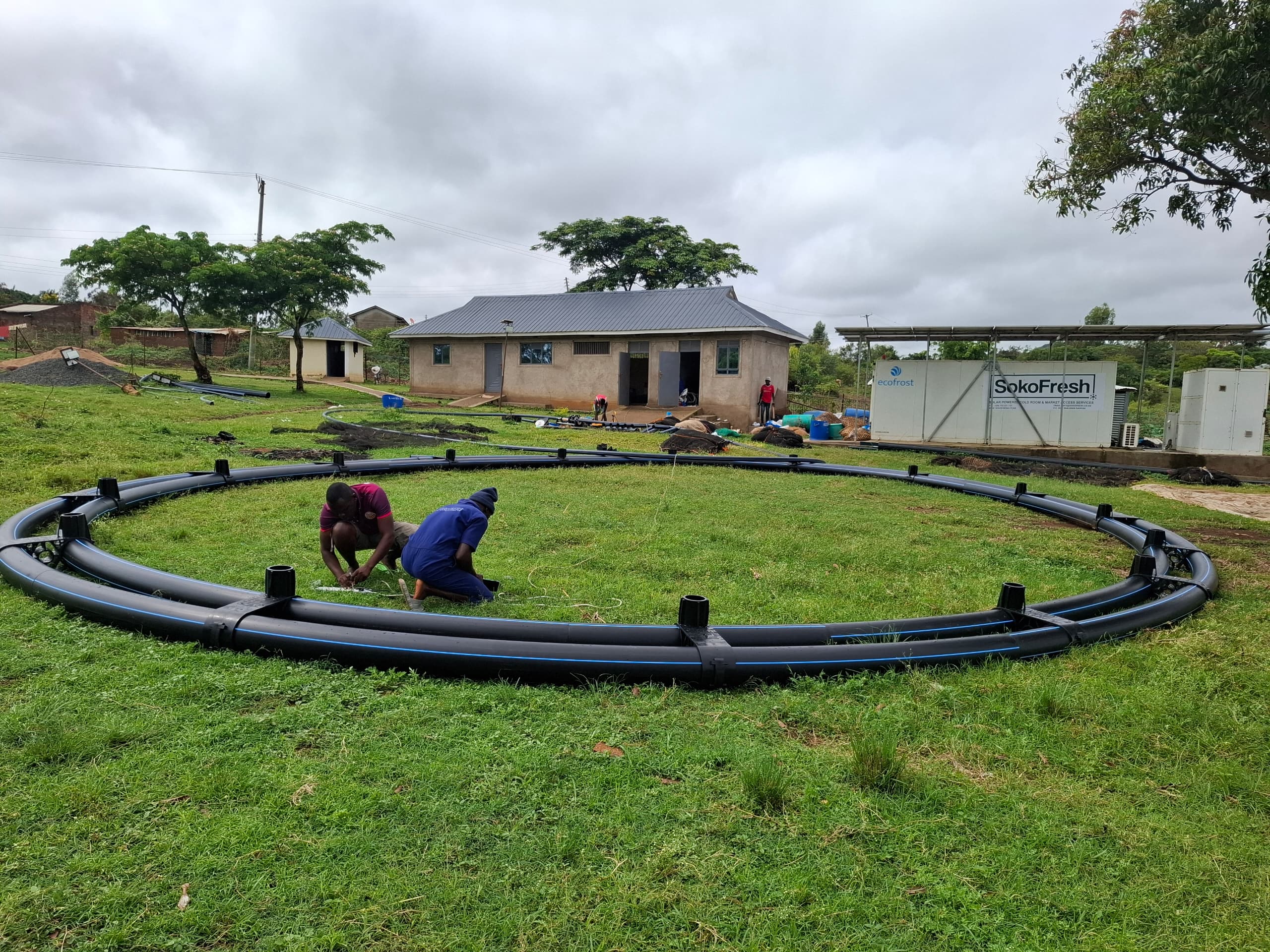
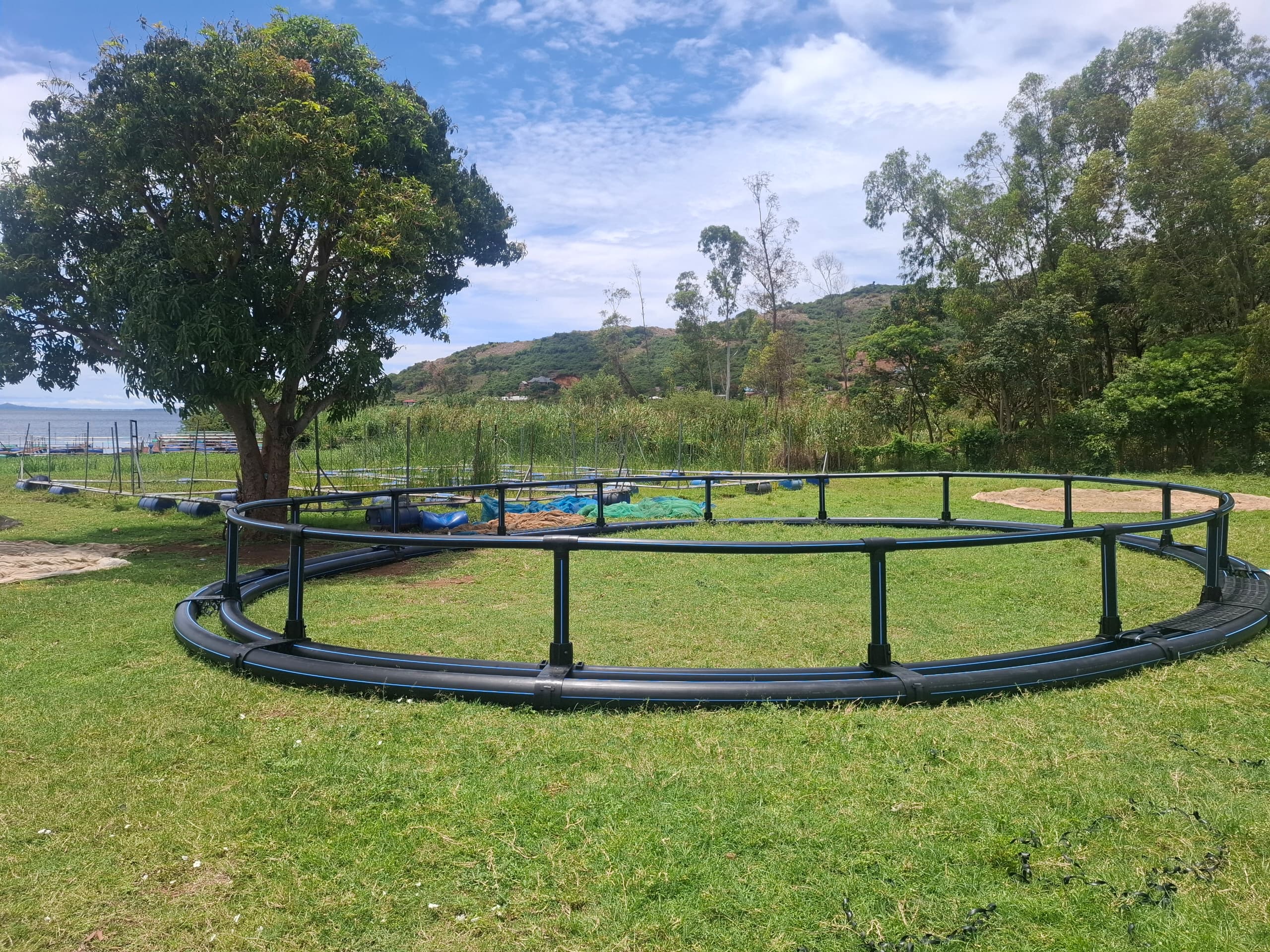
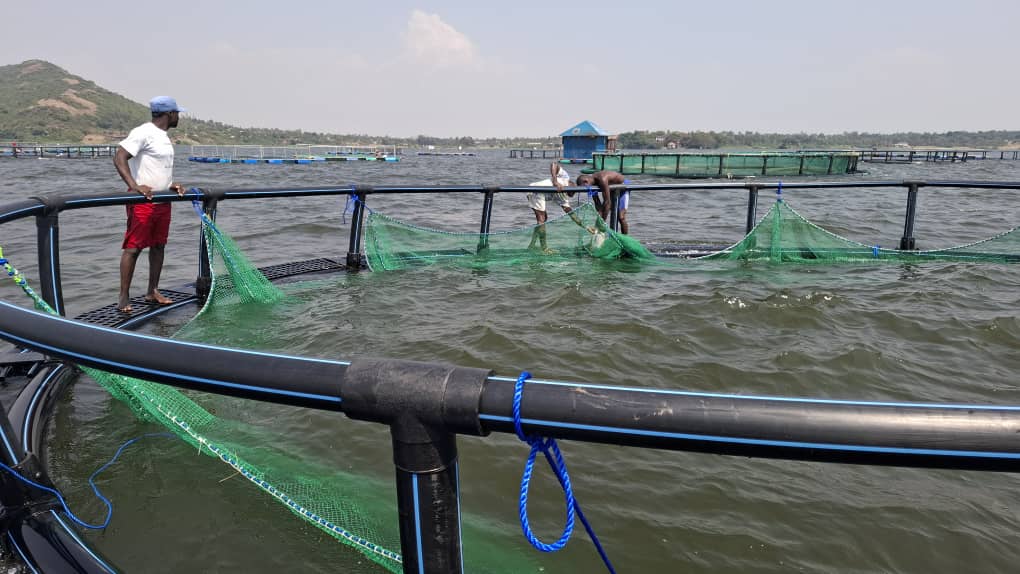
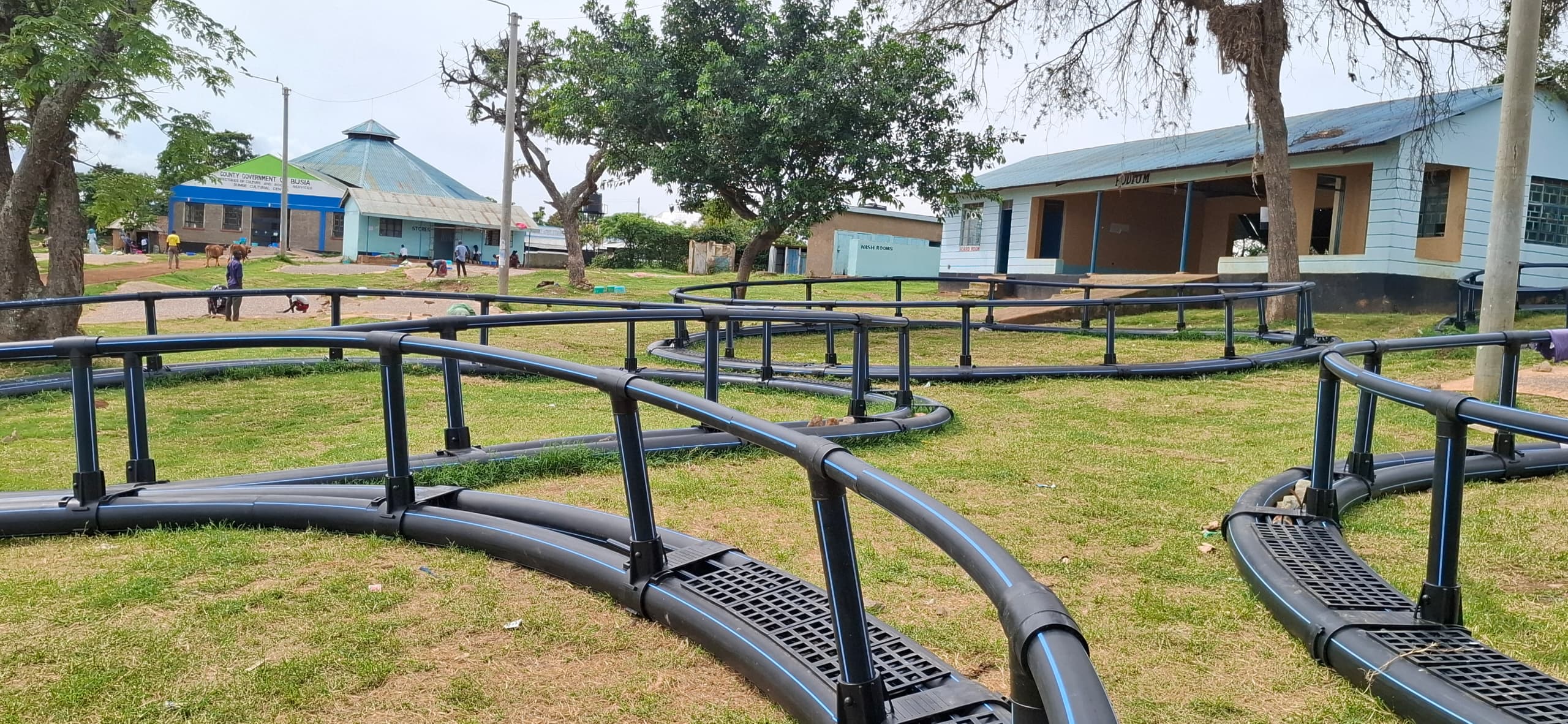
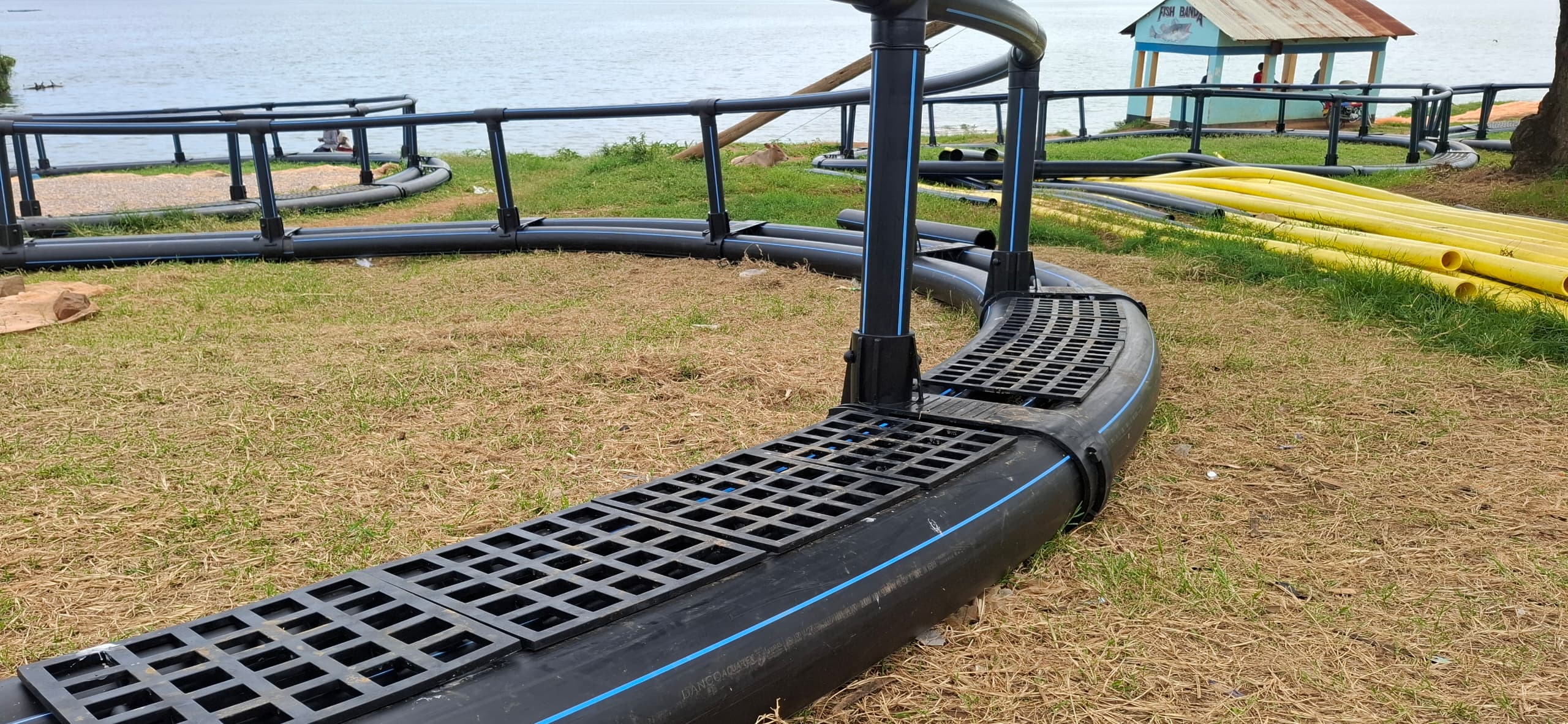
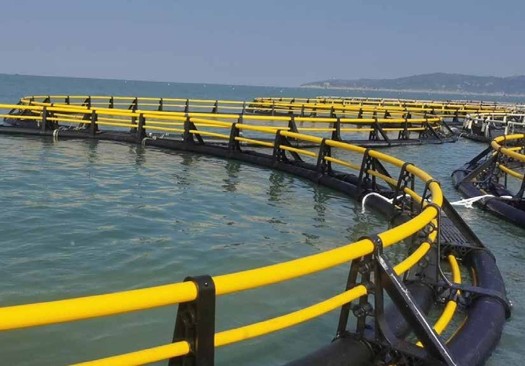
The company Headquarters is located at Kibamba Kibwegere, Ubungo Municipality in Dar es Salaam with production Units located at Muleba District in Kagera Region where the company owns 500 acres of farmland and fish farm infrastructures which include 3.5 Million SQM of water body in Lake Victoria for fish farming using cage culture technology, 4,000 parent fish (broodstock), hatchery and nursery. All these are located at Kabwinyora, Kihunge Village in Muleba District except for the Fish Feed Mill currently located at Kibamba Kibwegere in Dar es salaam.
The company is owned and managed by Tanzanians who are committed to contribute to the country’s sustainable sociocultural economic development through utilization of modern technology to transform and modernize the agricultural sector by undertaking modern farming and agro-processing. The firm is managing diverse fish and crop farming as well as livestock projects impacting the lives of millions and is committed to providing people with new opportunities.
The company decision to Invest in Kagera Region among other reasons is due to strategically location- Kagera is directly bordering three countries: Uganda, Burundi and Rwanda. Kenya can also be directly reached through Lake Victoria. Similarly, Kagera region is a gateway to South Sudan and the Democratic Republic of Congo (DRC). Kagera occupies the northwestern corner of Tanzania. The regional capital is Bukoba, which is about 1,400 kilometers (870 mi) from Dar es Salaam by road. The region shares borders with Uganda to the north, Rwanda and Burundi to the west, the region of Kigoma to the south, and the region of Geita to the east. The region is known for its agriculture, its directly reached through Lake Victoria. Similarly, Kagera region is a gateway to South Sudan and the Democratic Republic of Congo (DRC). Kagera occupies the northwestern corner of Tanzania. The regional capital is Bukoba, which is about 1,400 kilometers (870 mi) from Dar es Salaam by road. The region shares borders with Uganda to the north, Rwanda and Burundi to the west, the region of Kigoma to the south, and the region of Geita to the east. The region is known for its agriculture, its beautiful lush landscapes, and its wildlife.
The Kagera River forms the region’s border with Rwanda. Kagera Region lies just south of the equator, between 1°00’ and 2°45’ south latitudes. Longitudinally, it lies between 30°25’ and 32°40’ east of Greenwich. Out of the region’s total area of 40,838 square kilometers (15,768 sq. mi), 11,885 square kilometers (4,589 sq. mi) is covered by the waters of Lake Victoria, Lake Ikimba, Lake Burigi, and the Ngono and Kagera rivers. The region’s total area is just 446 square kilometres (172 sq. mi) less than that of Switzerland.
Kagera is Tanzania’s fifteenth-largest region and accounts for approximately 3.3 percent of Tanzania’s total land area of 885,800 square kilometres (342,000 sq. mi). It has reasonably fertile old soils. The Company is also preserving natural forests around the company farms to be used for beehives.
As friends, family, faculty, and esteemed guests gather to celebrate their achievements, the air will be filled with cheers, applause, and a sense of pride that reverberates throughout the campus. So let's join together in honoring the remarkable accomplishments of these future leaders in technology, as we cheer them on towards a future filled with boundless opportunities and technological innovation.
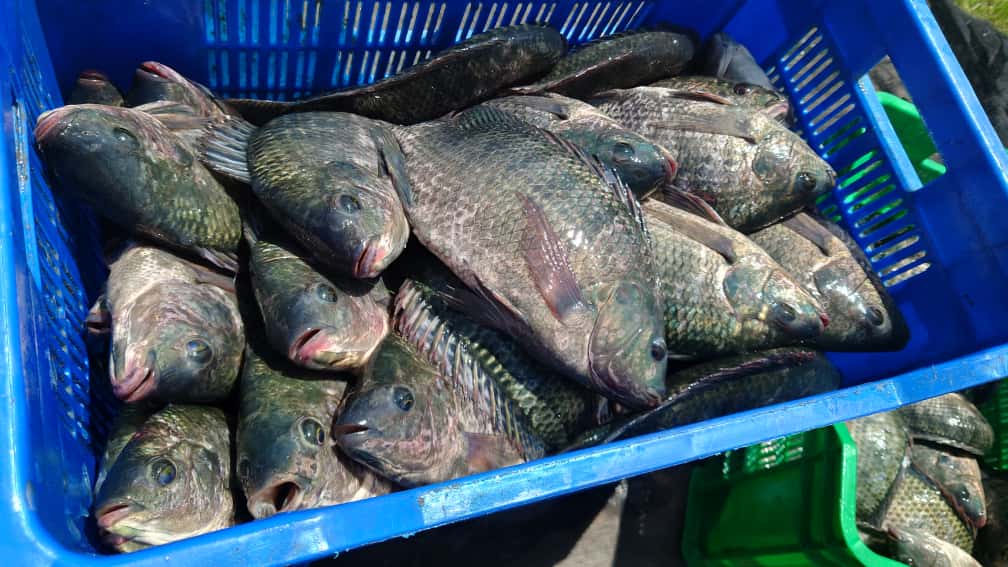
To be the highest producers and the first choice in the supply, branding, marketing and distribution of farm and farm inputs products in Tanzania.
To produce high-quality avocados, Nile Tilapia, beef, honey and allied products using modern sustainable techniques, value addition and innovative marketing while actively engaging small-scale farmers with reliable constant markets to boost incomes, enhance food security, reduce losses and drive inclusive growth in Kagera Region. Guided by respect for local knowledge blended with innovation, environmental and ecosystem protection, creative flexible adaptive approaches, gender sensitivity and equity (empowering women and youth), professional science-informed excellence, commitment to quality equality and ethics, and passion for collaboration and lasting impact. We deliver this through targeted initiatives: doubling avocado yields by 2025; launching a large-scale cage fish farm (30 million fingerlings + 9 million MT tilapia/year) by 2024; establishing avocado oil, fish feed, cold storage/ice and fruit packhouse facilities by 2024–2025; integrating 10,000 smallholders into commercial markets by 2025; and developing modern livestock ranching and abattoir by 2025–2026—to build resilient value chains, meet local and regional demand, and capture East/Southern Africa market opportunities.
To enhance food security and economic value, scale cost-effective production of avocados, fish, beef, and honey using modern technologies and irrigation for higher yields. Prioritize agro- processing and value chains to cut food loss, meet domestic needs, build strategic reserves, and seize growing staple food demand in East and Southern Africa as a key investment opportunity. The Kagera Region in Tanzania has set clear development targets to boost agricultural productivity, value addition, and commercialization. These include doubling avocado production and productivity through commercial farming by 2025; establishing a modern cage-based fish farm in Lake Victoria at Kabwinyora in Muleba District to produce at least 30 million fingerlings and 9 million metric tons of table-size Nile Tilapia annually by 2024; setting up an avocado oil processing plant by 2024; constructing a fish feeds plant by 2024; building a cold storage and ice plant by 2025; creating a packhouse for fruit storage and processing by 2024; integrating 10,000 smallholder farmers into commercial markets by 2025; developing a modern livestock ranching operation at MWISA II Ranch in Muleba District by 2025; and establishing a modern abattoir in Muleba by 2026. These linked initiatives aim to strengthen value chains in horticulture, aquaculture, livestock, and processing while driving sustainable growth and smallholder inclusion in the region.
The video demonstrates the FGH Agritech project, showcasing our innovative agricultural practices, sustainable farming techniques, and commitment to transforming the agricultural landscape. It highlights our vision for a more food-secure future, our mission to empower farmers and communities, and our objectives to enhance productivity and value addition in the agricultural sector. Through this video, we invite you to witness the impact of our initiatives and join us in our journey towards a more sustainable and prosperous agricultural future.
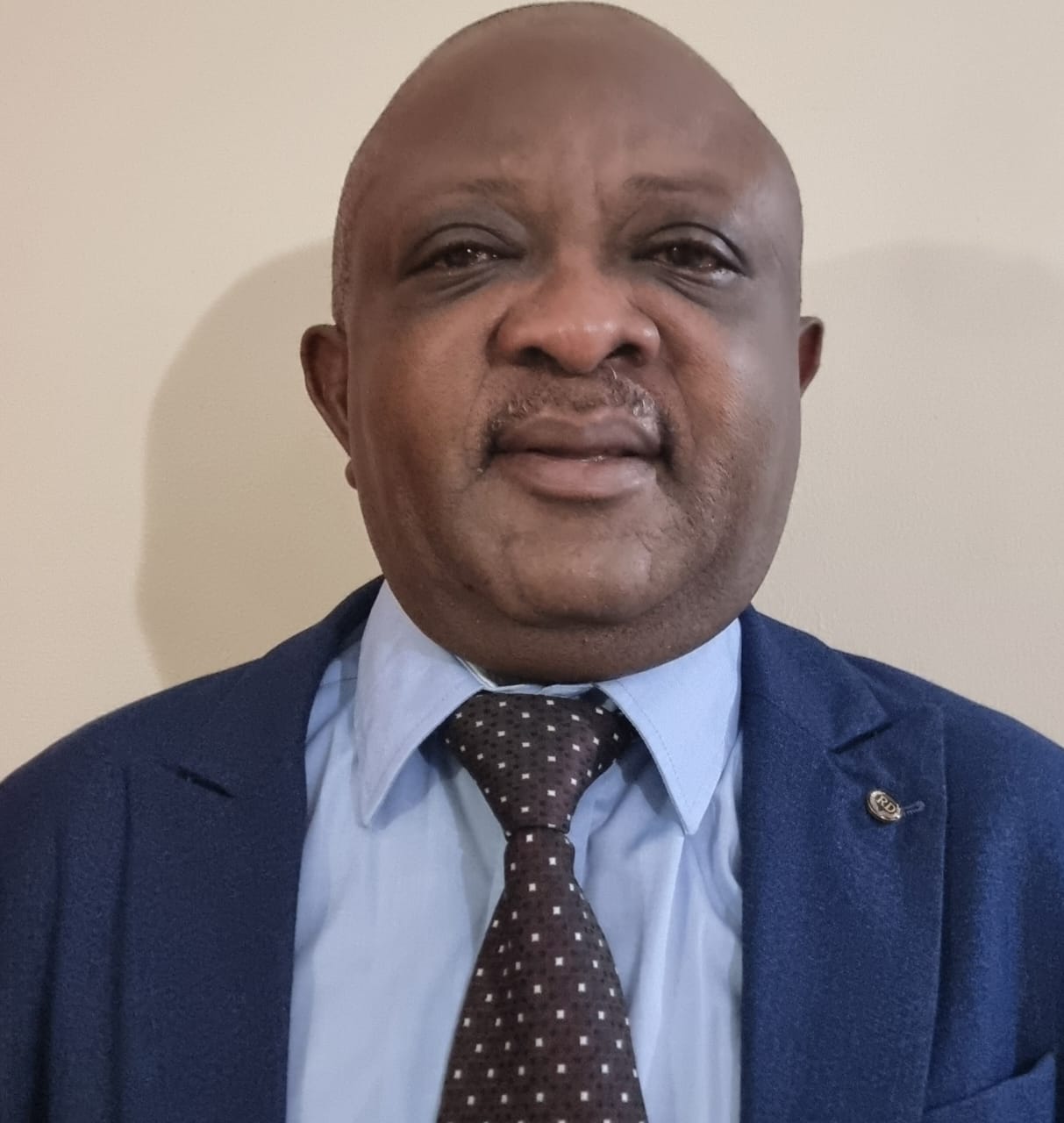
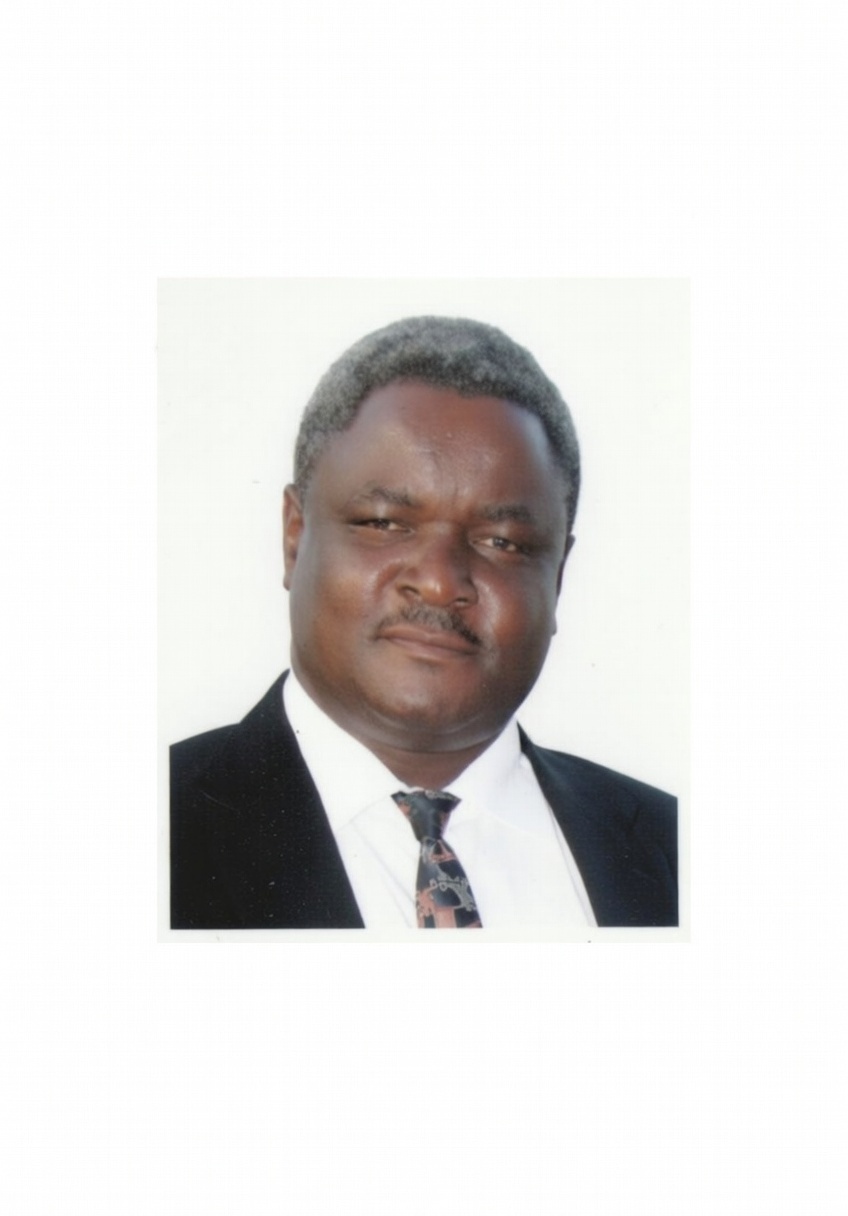
Get an ideal recognition of some of our most significant individuals on stage.
 />
/>
 />
/>
 />
/>

 />
/>

On-date, the FGH Event will cover a variety of hours as Planned and Categorised by our Specific Board of AgroTech Entreprise.

---------

---------
-----------

-----------
-------
------
------
-------
---------
Registering is quick and easy!
The most Significant People in this Event.
The FGH project was initiated in 2020 by a group of passionate individuals with a vision to revolutionize agriculture in the Kagera Region of Tanzania. The founders, Mr. Fidelis Augustine Mugasha, Ms. Hellen Bajumula Mugasha, and Mr. Geofrey Isack Rwenyagira, recognized the potential for sustainable farming practices and innovative agricultural technologies to transform the local agricultural landscape. They established FGH Agrotech with the mission to enhance food security, boost incomes, and drive inclusive growth in the region through modern farming techniques and value addition. Since its inception, FGH has been dedicated to empowering small-scale farmers, promoting sustainable agriculture, and contributing to the economic development of Kagera Region.
The project has since expanded its operations to include avocado farming, fish farming, livestock ranching, and honey production, while also investing in agro-processing facilities and market integration for smallholder farmers. FGH's commitment to innovation, sustainability, and community engagement has made it a leading force in the agricultural sector of Tanzania.
The FGH project primarily serves the Kagera Region in Tanzania, where it has established its operations and implemented various agricultural initiatives. However, the impact of FGH's work extends beyond Kagera, as the project aims to contribute to food security and economic development in the broader East and Southern Africa region. Through its innovative farming practices, value addition, and market integration efforts, FGH is working to create sustainable agricultural value chains that can benefit farmers and communities across multiple regions in Tanzania and neighboring countries.
The FGH project plans to harvest from 12 fish plants across the Kagera Region.
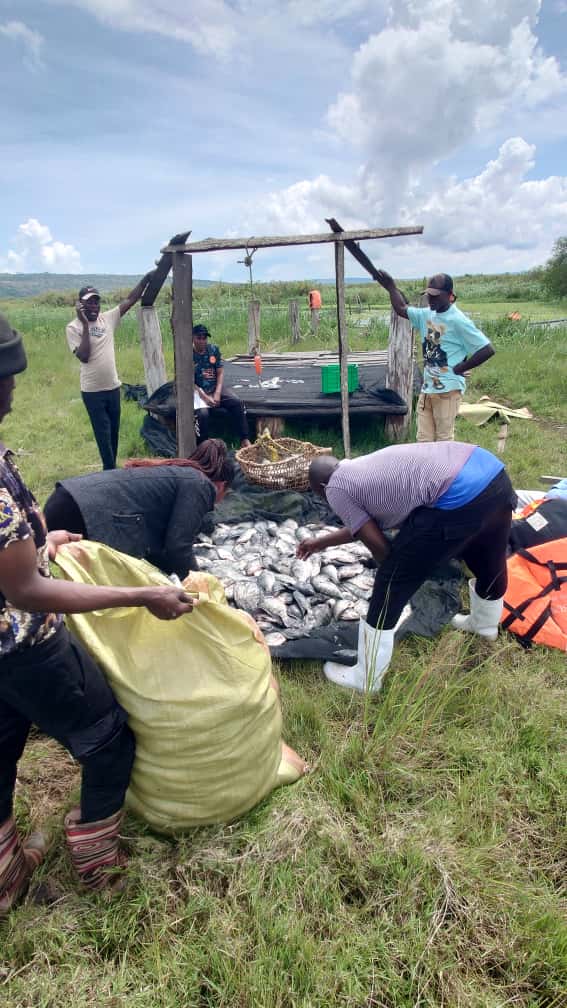
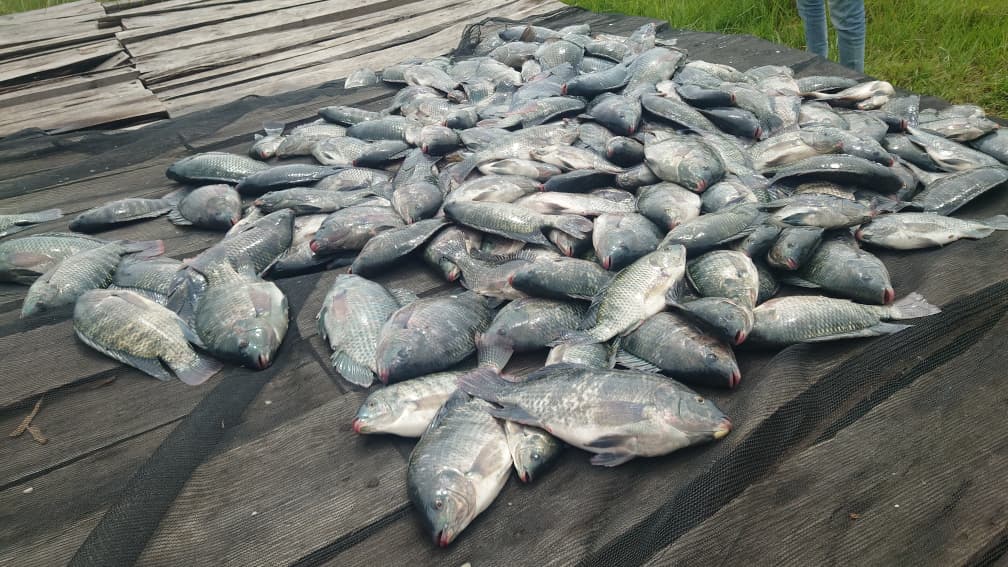
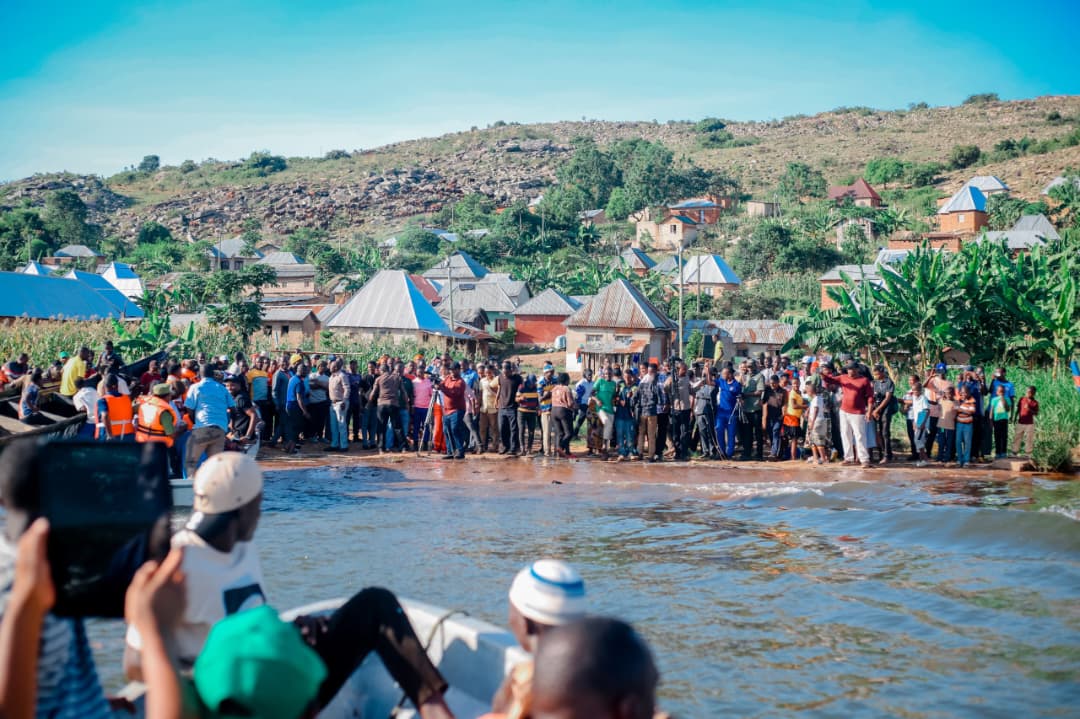
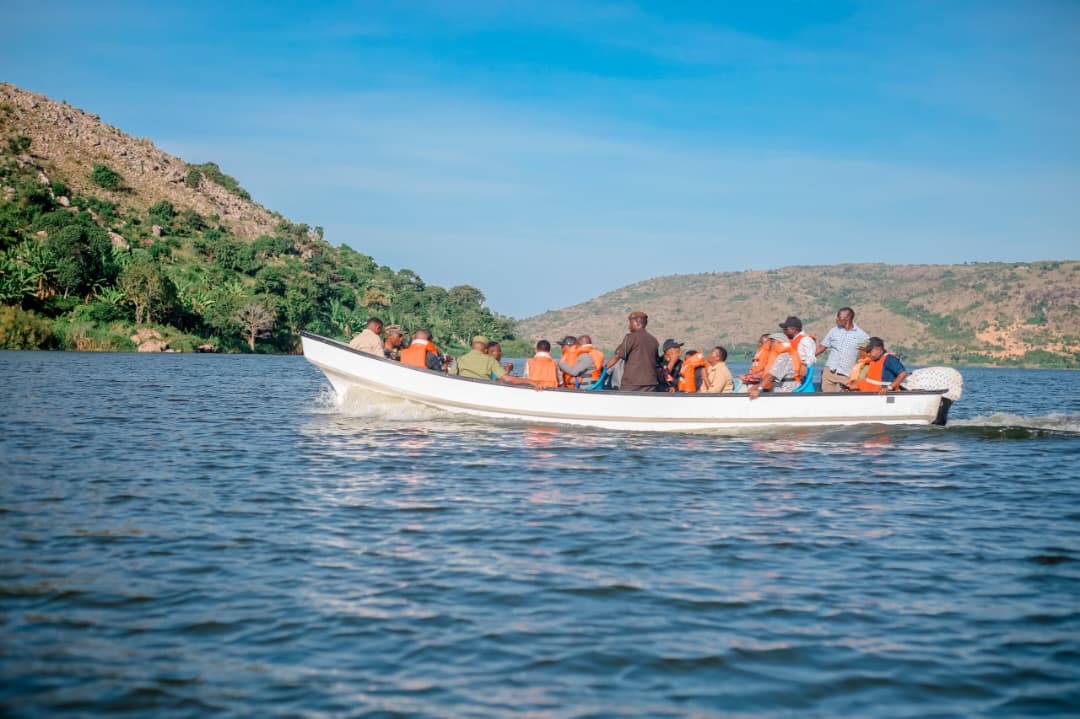
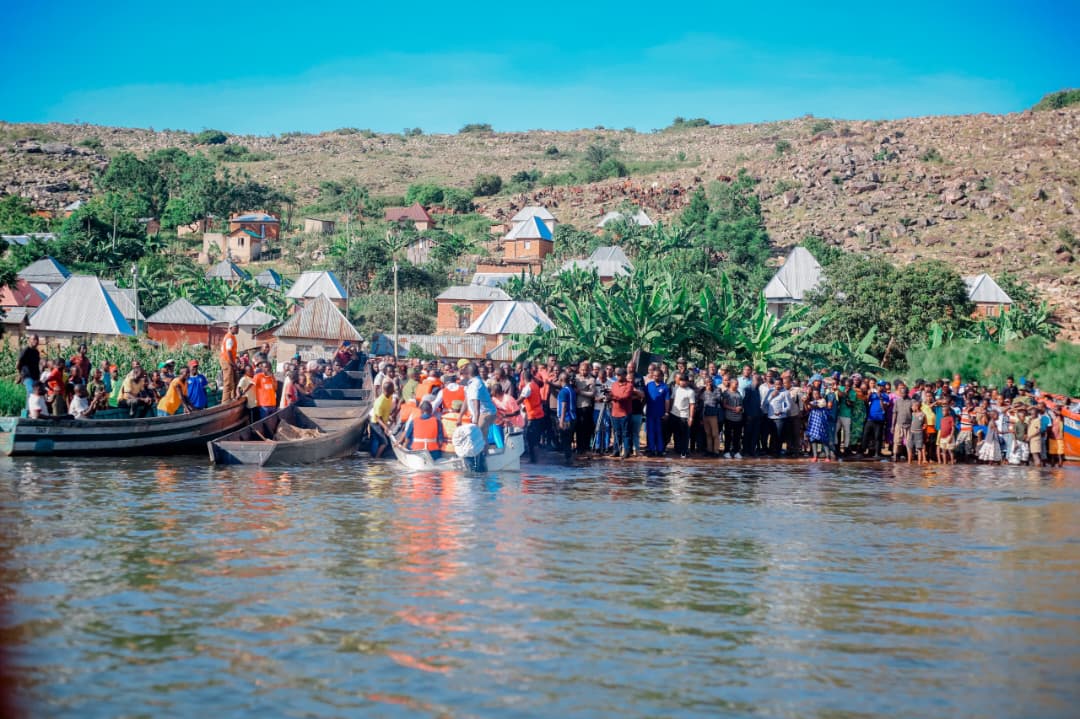
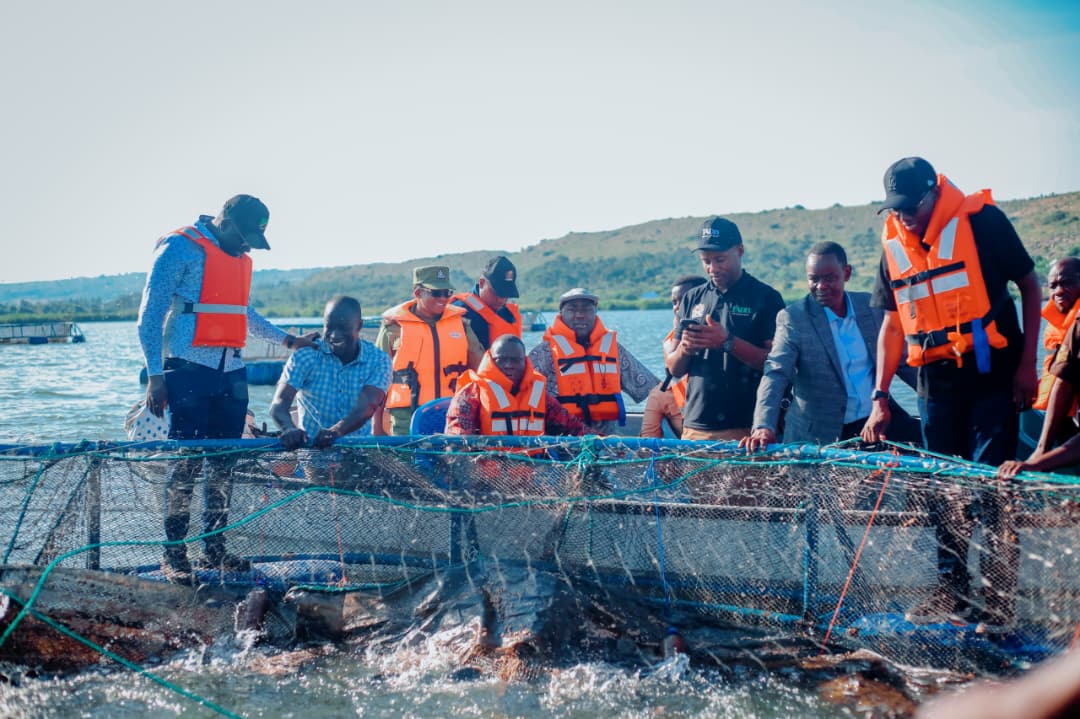
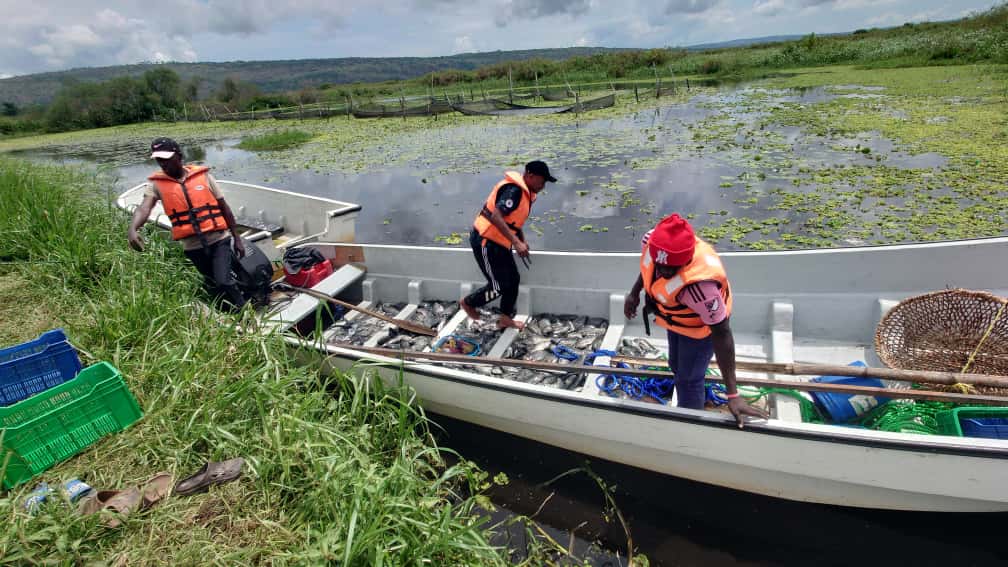
The memories we adore from our formal visitation. Government officials inspecting the FGH fish farming project at Kabwinyora, Muleba District, Kagera Region, with the FGH team harvesting fish from the cages in the same location. Ceremony.
 />
/>
 />
/>
/>
/>
 />
/>
 />
/>
 />
/>
/>
/>
/>
/>